DIY on Your Coleman PowerMate: What Your Warranty Actually Covers (And What Kills It)
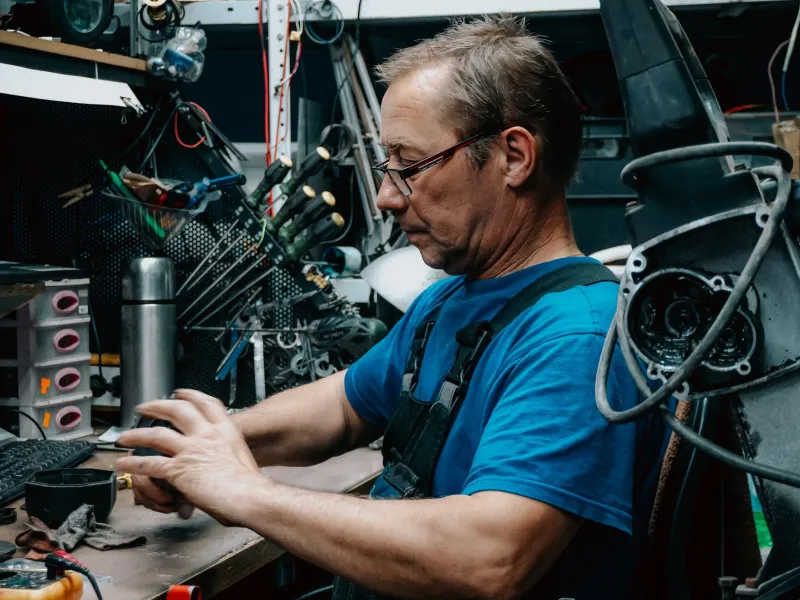
There's a certain kind of satisfaction that comes with fixing something yourself. Plenty of Coleman PowerMate owners are mechanically confident — they change their own oil, rebuild carburetors, and aren't shy about getting their hands dirty. That's part of what makes this community great.
But there's a persistent myth floating around generator forums and neighborhood Facebook groups that goes something like this: "It's your machine, so you can fix whatever you want without worrying about the warranty."
That's not quite right. And depending on what you're working on, acting on that assumption could leave you holding the bill for a repair that should have been covered.
Let's clear the air on what's actually going on with Coleman PowerMate warranties, which DIY repairs are genuinely fine, and where the line gets drawn.
How Generator Warranties Generally Work
Most Coleman PowerMate generators come with a limited warranty — typically covering defects in materials and workmanship for a set period from the date of purchase. The exact terms vary depending on the model and when you bought it, so your first move should always be pulling out the documentation that came with your unit or checking the manufacturer's current warranty terms.
Here's the key phrase that shows up in almost every warranty document: "damage resulting from misuse, abuse, neglect, or unauthorized modification or repair."
That last part — unauthorized modification or repair — is where a lot of DIY-minded owners get tripped up. The warranty isn't just protecting against things you break accidentally. It also draws a line around who is allowed to open up the machine and work on it.
The Magnuson-Moss Warranty Act: Your Federal Backstop
Before you assume the manufacturer holds all the cards, it's worth knowing about the Magnuson-Moss Warranty Act. This federal law, which applies across the US, actually gives consumers some meaningful protections.
Under Magnuson-Moss, a manufacturer generally cannot void your warranty simply because you performed routine maintenance yourself — things like oil changes, air filter swaps, or spark plug replacements. They also can't require you to use only their branded parts for basic upkeep unless they're providing those parts for free.
So if you changed your own oil using a compatible oil type and your carburetor fails three months later due to a manufacturing defect, the manufacturer typically can't deny that claim just because you did the oil change yourself.
That said, this law has limits. If your DIY repair caused or contributed to the failure in question, the manufacturer has a much stronger argument for denying coverage. And proving that your repair wasn't the cause? That burden often falls on you.
Where DIY Gets Genuinely Risky
Routine maintenance is generally safe territory. The riskier zone is anything that involves:
Engine internals. Pulling apart the engine block, replacing pistons, or adjusting valve clearances without proper training and tools can introduce new problems — and if something goes wrong afterward, connecting the dots back to your repair is pretty easy for a warranty adjuster to do.
Electrical components. Generator electrical systems aren't the same as basic automotive wiring. Mishandling the alternator, AVR (automatic voltage regulator), or control panel can create safety hazards and almost certainly voids coverage if a related failure occurs later.
Carburetor rebuilds gone wrong. Cleaning a carburetor is one thing. Reassembling it incorrectly, installing the wrong jet size, or damaging internal passages can cause fuel delivery problems that cascade into bigger engine issues. If your engine seizes after a botched carb job, that's a tough claim to make.
Fuel system modifications. Installing aftermarket fuel lines, different tank fittings, or non-spec components puts you outside the design envelope the warranty was written around.
What You Can Typically Do Yourself Without Worry
The good news is that a lot of the most common maintenance tasks fall squarely into acceptable DIY territory:
- Oil changes — as long as you're using the correct oil type and weight specified in your owner's manual
- Air filter cleaning or replacement — straightforward and expected as part of regular upkeep
- Spark plug inspection and replacement — a basic tune-up task that any mechanically inclined owner can handle
- Fuel stabilizer treatment — adding stabilizer before storage is exactly what the manual recommends
- Cleaning the exterior and cooling fins — no one's going to argue about keeping your generator clean
- Checking and tightening hardware — bolts loosen over time, and keeping things snugged up is just good practice
These tasks are documented in the owner's manual for a reason. Coleman PowerMate expects owners to handle them.
The "Authorized Service" Question
Some warranty documents specifically require that repairs beyond routine maintenance be performed by an authorized service dealer. This is where things get legally meaningful.
If your warranty includes this language and you decide to tackle a more complex repair yourself — say, replacing the starter motor or diagnosing an electrical fault — you may be stepping outside the warranty's coverage window for that component and anything connected to it.
Before you start wrenching on anything beyond the basics, it's worth a quick call or email to Coleman PowerMate's customer support to ask directly: "Will performing this repair myself affect my warranty?" Get the answer in writing if you can. That documentation is worth keeping.
When the Warranty Is Already Expired
If your unit is out of warranty, this whole conversation changes. At that point, DIY is entirely your call, and the main considerations are safety, proper technique, and whether you have the right tools for the job. A lot of the most useful repair knowledge in this community comes from owners who've been turning wrenches on out-of-warranty machines for years.
The PowerMate Hub forums are a great place to find that kind of experience. Just make sure you're clear on whether your generator is still under coverage before you decide to go it alone.
The Bottom Line
DIY generator work isn't inherently dangerous to your warranty — but it's not a free pass either. Know what your warranty document actually says, understand that federal law gives you some protection for routine maintenance, and be honest with yourself about where your mechanical skills end and professional service begins.
The goal is keeping your Coleman PowerMate running reliably for years. Sometimes that means picking up a wrench yourself. Sometimes it means making a phone call first.