Ethanol or Not? What's Really Happening Inside Your Coleman PowerMate When You Fill the Tank
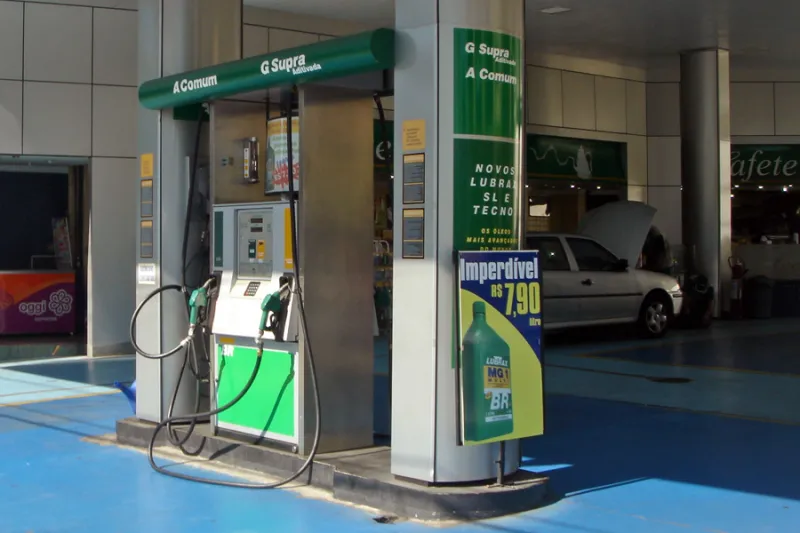
Photo: Mariordo Mario Roberto Duran Ortiz, CC BY 3.0, via Wikimedia Commons
Here's a question that comes up in our community forums more than almost anything else: Does it really matter what kind of gas I use?
Short answer: yes, it genuinely does — especially for small engines like the ones inside your Coleman PowerMate. But the longer answer is more nuanced, and it depends on how you use your generator, where you live, and how long you plan to keep it running reliably. Let's dig in.
The Basics: What Is Ethanol-Blended Gas, Anyway?
Most gasoline sold at US pumps today is blended with ethanol — typically at a 10% concentration, labeled E10. You've seen it on the pump sticker. Some stations now offer E15 (15% ethanol), and flex-fuel stations carry E85, though that last one is strictly for vehicles designed for it.
Ethanol is added to gasoline as an oxygenate, which helps fuel burn cleaner and reduces certain emissions. It also stretches the fuel supply since ethanol is domestically produced from corn. For car engines, which are designed and calibrated to handle it, E10 is generally fine.
But your Coleman PowerMate isn't a car engine. And that distinction matters.
Why Small Engines and Ethanol Don't Always Get Along
Small four-stroke engines — the kind found in most Coleman PowerMate generators — have carburetors, rubber fuel lines, and gaskets that were often designed before ethanol-blended fuel became the norm. Ethanol is hygroscopic, meaning it actively attracts and absorbs moisture from the air. Once water gets into your fuel system, a few things can go wrong:
Phase separation is the big one. When ethanol absorbs enough water, it can separate from the gasoline and sink to the bottom of the tank as a water-ethanol mixture. That separated layer can get pulled into the carburetor, causing rough running, hard starts, or complete engine failure.
Carburetor gumming is another common problem. Ethanol-blended fuel degrades faster than pure gasoline — often going stale within 30 days in storage conditions. As it breaks down, it leaves behind a varnish-like residue that clogs the tiny passages inside a carburetor. If you've ever pulled your PowerMate out after a few months of storage and had trouble getting it started, a gummed carburetor is likely the culprit.
Rubber and plastic degradation rounds out the trouble list. Ethanol is a solvent, and over time it can soften or crack older rubber fuel lines, O-rings, and gaskets — components that are expensive to ignore but cheap to replace proactively.
The Case for Non-Ethanol Gas
Pure gasoline — sometimes called ethanol-free or recreational fuel — doesn't have any of those moisture-attraction issues. It stays stable longer in storage (often 90 days or more without a stabilizer), it doesn't cause phase separation, and it's gentler on the rubber components in your fuel system.
For Coleman PowerMate owners who store their generator seasonally — say, you run it during hurricane season and then park it until next fall — non-ethanol fuel is a meaningful upgrade. The fuel that sits in your tank and carburetor during those months of storage is far less likely to cause problems when you need the machine to fire up on demand.
Non-ethanol gas is also worth considering if you live in a high-humidity region like the Gulf Coast, the Southeast, or the Pacific Northwest, where moisture in the air gives ethanol more opportunity to do damage.
The downside? It's harder to find and costs more — typically 30 to 60 cents more per gallon than regular E10. You can use apps like GasBuddy or the Pure Gas website (pure-gas.org) to locate stations near you that carry ethanol-free fuel.
When E10 Is Probably Fine
If you're running your Coleman PowerMate regularly — weekly job site use, frequent camping trips, routine testing — the fuel turnover is fast enough that the degradation and moisture issues become much less of a concern. Fresh E10 that gets burned within a few weeks doesn't have the time to cause major problems.
For active, frequent users, the practical advice is simple: buy fresh fuel in smaller quantities, don't let it sit, and run the tank and carburetor dry before any storage period longer than 30 days.
Fuel Stabilizer: The Middle-Ground Solution
If you're using E10 and storing your generator for extended periods, a quality fuel stabilizer like STA-BIL or Sea Foam can significantly slow fuel degradation. Add it to a fresh tank of gas before storage, run the engine for a few minutes to circulate it through the fuel system, and you'll buy yourself considerably more time before the fuel goes bad.
Stabilizer doesn't completely eliminate ethanol's moisture-attracting tendency, but it slows the overall breakdown process and helps keep varnish from forming in the carburetor. Think of it as insurance for your fuel system.
What Coleman PowerMate Recommends
Coleman PowerMate's official guidance recommends using fresh, clean gasoline with an octane rating of 87 or higher, and cautions against using fuel with more than 10% ethanol content. E15 and E85 are explicitly off the table — they can damage engine components and void your warranty.
Sticking to E10 or below is the baseline. Choosing ethanol-free fuel when you can find it is the upgrade that many long-term owners swear by.
A Practical Decision Framework
Here's a simple way to think about your fuel choice based on how you actually use your generator:
| Usage Pattern | Recommended Fuel | Notes |
|---|---|---|
| Seasonal storage (3+ months) | Non-ethanol preferred | Prevents phase separation and gumming |
| Occasional use (monthly or less) | Non-ethanol or E10 + stabilizer | Add stabilizer if using E10 |
| Regular use (weekly) | E10 acceptable | Keep fuel fresh; don't stockpile |
| High-humidity climate | Non-ethanol preferred | Reduces moisture absorption risk |
| Active job site / RV use | E10 acceptable | High turnover minimizes degradation |
The Bottom Line on Fuel and Your PowerMate's Longevity
The fuel debate isn't really about one option being dramatically superior in every situation — it's about matching your fuel choice to your usage habits and storage conditions. Non-ethanol gas is the safer long-term bet for your engine's internal components, but it's not always accessible or necessary for everyone.
What's non-negotiable: don't let old, stale fuel sit in your generator. Whether you're running E10 or ethanol-free, the damage caused by degraded fuel sitting in a carburetor over winter is one of the most common — and most preventable — repair issues we see discussed in our community.
A little attention to what's in your tank goes a long way toward keeping your Coleman PowerMate running strong for years to come.