Inverter vs. Conventional Coleman PowerMate: Cutting Through the Hype to Find Your Perfect Match
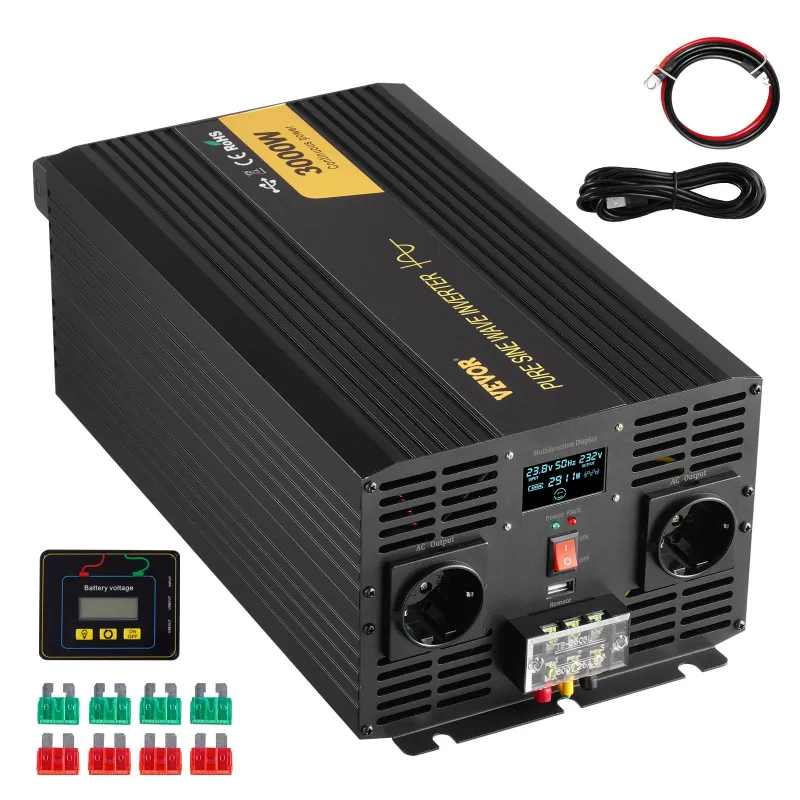
Photo: inverter generator vs conventional generator side by side comparison outdoor, via www.leditnow.gr
Walk into any hardware store or scroll through enough generator forums, and you'll quickly notice a pattern: inverter generators get treated like the obvious, automatic upgrade over conventional models. But here's the thing—"newer" doesn't always mean "better for you." Depending on what you're powering, where you're using it, and how much you want to spend, a traditional Coleman PowerMate might actually be the smarter buy. Or the inverter version might genuinely change your life. Let's break it down without the marketing fluff.
What's Actually Different Under the Hood
Before comparing specs, it helps to understand why these two technologies behave so differently.
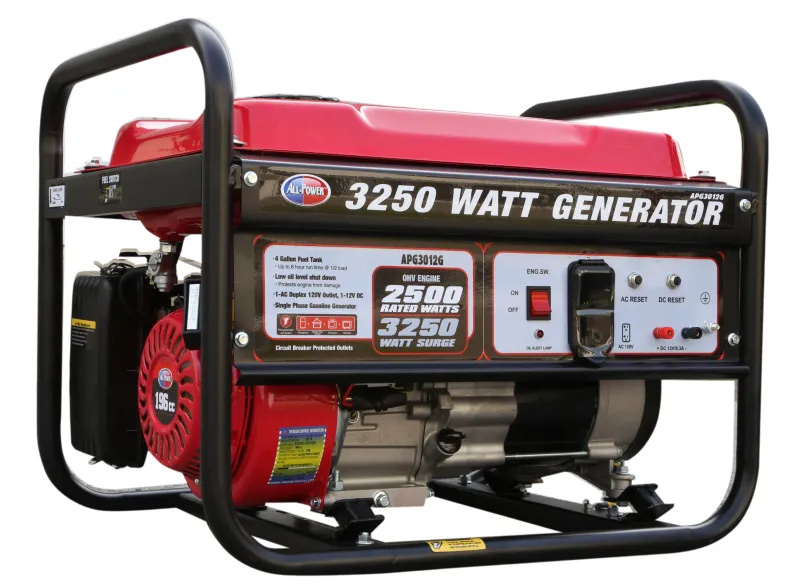
A conventional Coleman PowerMate generator runs its engine at a fixed speed—typically 3,600 RPM—regardless of how much power you're actually drawing. That consistent engine speed is what produces the 60Hz AC power that matches your home's electrical system. Simple, robust, and time-tested.
An inverter generator takes a different route. The engine speed varies with your power demand, and the raw AC output gets converted to DC and then back to a clean, stable AC signal. That extra conversion step is what gives inverter generators their signature "clean power"—and it's also why they cost more.
The Fuel Economy Question
This is where inverter generators earn a lot of their praise, and honestly, the praise is deserved. When you're running a light load—charging laptops, running a fan, keeping a few lights on—an inverter generator throttles the engine back. You're not burning full fuel just to power a phone charger.
Conventional generators don't have that flexibility. At 3,600 RPM, they're burning fuel at roughly the same rate whether you're running a 100-watt lamp or a 2,000-watt air conditioner.
For weekend camping trips or tailgating where you're running modest loads over several hours, that fuel savings adds up fast. But if you're running a job site with power tools, a well pump during a storm outage, or a chest freezer plus a window AC unit, a conventional PowerMate is going to be pulling heavy loads most of the time anyway—and the fuel efficiency gap narrows considerably.
Bottom line: If your typical use involves partial loads for extended periods, an inverter pays for itself in gas savings. If you're regularly near full capacity, the savings shrink.
Power Quality and Your Electronics
This is the spec that causes the most confusion. Inverter generators produce what's called "clean sine wave" power with very low Total Harmonic Distortion (THD), typically under 3%. Conventional generators produce power with higher THD—sometimes in the 10–25% range depending on load.
Why does that matter? Modern electronics—laptops, televisions, CPAP machines, certain power tools with variable-speed motors—are sensitive to power quality. Poor power quality can cause equipment to run hot, behave erratically, or in rare cases, shorten its lifespan.
If your generator is primarily a backup for sensitive medical equipment or you're powering a camera rig at a remote shoot, an inverter Coleman PowerMate is the right call. No debate there.
However, if your primary use is running a sump pump during heavy rain, powering construction equipment, or keeping a refrigerator and some lights on during a three-day outage, conventional power quality is perfectly fine for those applications. Refrigerators, power tools, space heaters, and most appliances are not particularly sensitive to slight variations in power quality.
Portability and Size
Inverter generators tend to be more compact and lighter than conventional models with comparable wattage ratings. That's a genuine advantage if you're loading and unloading from a truck bed regularly or hiking to a campsite.
But here's the flip side: conventional Coleman PowerMate generators typically offer significantly higher wattage output in a similar price bracket. If you need 5,000+ watts of starting capacity for larger appliances and heavy equipment, you're looking at conventional territory. High-wattage inverter generators exist, but they carry a steep price premium.
For most tailgating, camping, or small backup scenarios under 3,000 watts, an inverter's portability is a real perk. For whole-house backup or job site use, conventional models give you more power per dollar.
Noise Levels
Inverter generators run quieter—there's no getting around it. The variable engine speed means they're not screaming at 3,600 RPM when the load is light. If you're camping in a campground with quiet hours, your neighbors will notice the difference.
Conventional generators are louder, full stop. If you're running one near a living space or in a neighborhood during an outage, expect to hear it. That said, placement, distance, and enclosures can manage the noise to a workable level for most home backup situations.
Price and Value: The Honest Math
Inverter generators cost more—sometimes significantly more—than conventional models at the same wattage. If you're deciding between the two and budget is a real factor, ask yourself whether the features you're paying extra for actually match your use case.
For a homeowner who needs a reliable backup for outages a few times a year, a conventional Coleman PowerMate at a lower price point might deliver better overall value. For someone who runs their generator frequently for camping, RV use, or outdoor events where fuel costs and noise matter every single trip, the inverter investment can genuinely pay off.
So Which One Actually Wins?
Neither—and both. The honest answer is that "winning" depends entirely on what you're asking the generator to do.
- Choose an inverter Coleman PowerMate if: You're powering sensitive electronics regularly, you value fuel efficiency on partial loads, portability matters, or quiet operation is a priority.
- Choose a conventional Coleman PowerMate if: You need high wattage output, you're running heavy equipment or large appliances, budget is a primary concern, or you need a workhorse for job site or serious home backup use.
The best generator isn't the one with the most features—it's the one that solves your specific problem without making you pay for capabilities you'll never use. Figure out your actual load requirements, think about where and how often you'll use it, and let those answers make the decision for you.