Why Finding a Good Coleman PowerMate Service Center Can Feel Like a Scavenger Hunt
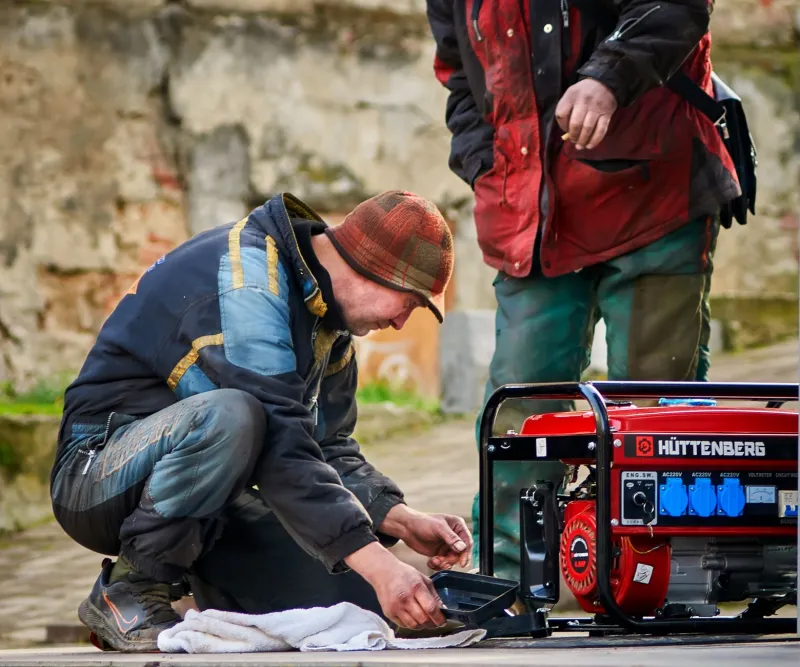
Here's a scenario that more PowerMate owners have lived through than you'd expect: your generator goes down right before a storm, you call the number on the manufacturer's website to find a service center, and you end up on hold, transferred twice, and eventually pointed toward a shop that closed two years ago. Meanwhile, your neighbor in the next county got same-week service from a guy who's been working on PowerMates for twenty years and charges half of what the "authorized" shop quoted.
This isn't a fluke. It's the reality of how Coleman PowerMate's service network actually functions across the country—and once you understand why it works the way it does, you can navigate it a whole lot better.
Why the Service Network Looks the Way It Does
Coleman PowerMate has gone through several ownership and distribution changes over the years. That history matters because it means the dealer and service network wasn't built from scratch with a unified vision—it evolved organically, often through existing small-engine shops, outdoor power equipment dealers, and hardware stores that picked up the line at different points in time.
The result is a patchwork. Some regions—particularly the Midwest and rural South, where generator use is high and small-engine culture runs deep—have robust networks with experienced technicians who've been working on these machines for decades. Coastal urban markets, on the other hand, can be surprisingly thin. A PowerMate owner in suburban New Jersey might have a harder time finding quality service than someone in rural Iowa.
Authorization status also means different things depending on who granted it and when. A shop that was authorized under a previous distributor arrangement might not appear in current online locators, even if they're genuinely excellent at what they do.
The Authorized vs. Independent Divide
One of the most important things to understand: "authorized" doesn't automatically mean "better." It means the shop has a relationship with the current distribution chain—which affects their access to warranty parts and official documentation. For out-of-warranty work, though, the equation changes.
Some of the most knowledgeable Coleman PowerMate technicians in the country work at independent small-engine shops that have been servicing these generators since the Clinton administration. They don't show up on the manufacturer's dealer locator. They might not have a website. But they know the quirks of a PM0545003 carburetor better than most authorized shops ever will.
Owners who've had both experiences consistently report that the best independent shops often beat authorized centers on turnaround time, price, and practical knowledge—especially for older models where the authorized channel has moved on and the independent guy still has the original service manuals on his shelf.
The tradeoff: If your unit is under warranty, you need an authorized center to protect that coverage. Going independent on a warranty repair can void your claim. Know which situation you're in before you hand over the generator.
Regional Realities: Where You Live Changes Everything
Let's be blunt about the geography here. If you're in a rural area of the Southeast, Texas Hill Country, or the upper Midwest, you're probably in decent shape. Generator culture is strong, small-engine shops are common, and there's a good chance someone nearby knows PowerMate products well.
If you're in a major metro area—especially on the coasts—the picture gets murkier. Urban shops tend to specialize in newer equipment with digital diagnostics. Older PowerMate models may not be something they see regularly, and their labor rates reflect the market, not necessarily the complexity of your repair.
The Mountain West and parts of the Pacific Northwest can be particularly challenging. Distances are large, shops are spread thin, and shipping a generator for service isn't cheap or easy.
How to Actually Find Good Service (Regardless of What the Website Says)
Here's what experienced PowerMate owners have figured out through trial and error:
Start with the PowerMate community, not the locator. Forums, Facebook groups, and community threads like the ones here on PowerMate Hub are where real owners share real experiences. A recommendation from someone who actually had their PM0525312 serviced at a specific shop is worth ten times more than a listing in an online directory.
Call before you go, and ask specific questions. Ask the shop if they've worked on your specific model. Ask what their current turnaround is. Ask if they stock common PowerMate parts or have to order everything. The answers tell you a lot about whether this is the right fit.
Don't overlook outdoor power equipment dealers. Shops that sell and service lawn tractors, pressure washers, and similar equipment often have significant small-engine depth. If they carry brands that use Briggs & Stratton or similar engines, there's a good chance they can handle your PowerMate.
Consider shipping for specialized work. For major repairs on older or unusual models, some owners have found it worthwhile to ship their generator to a known specialist in another state. It sounds extreme, but when the alternative is a local shop that's never touched a PowerMate and charges you diagnostic time to figure it out, the math can actually work.
The Parts Problem Is Separate from the Labor Problem
Even if you find a great technician, parts availability is its own challenge. Coleman PowerMate's parts ecosystem is fragmented across multiple distributors, and what's in stock varies significantly. Some authorized shops have solid parts inventory; others are ordering everything and adding two weeks to every job.
This is where knowing your model number cold pays off. Having the complete model and serial number ready—not just "a Coleman PowerMate 5000"—can be the difference between a same-week repair and a month-long wait while someone tracks down the right carburetor.
What This Means for Your Ownership Strategy
The practical takeaway here isn't that the service network is broken—it's that it requires you to be proactive rather than reactive. Find your local options before you need them. Build a relationship with a good shop when nothing is wrong, not when you're scrambling before a hurricane.
And lean on the community. PowerMate Hub exists precisely because owners who've been through the service scavenger hunt can help the next person skip a few dead ends. If you've found a great service center in your area, drop it in the community threads. That kind of local knowledge is genuinely valuable—and it's the kind of thing no manufacturer website is ever going to give you.