Stored 95% of the Time and Still Worth Every Penny? The Case for Your Underused Coleman PowerMate
Let's do the math real quick. There are 8,760 hours in a year. If you fire up your Coleman PowerMate during two power outages, a camping trip, and maybe one weekend project, you're looking at — generously — 40 to 50 hours of actual runtime. That's less than 1% of the year.
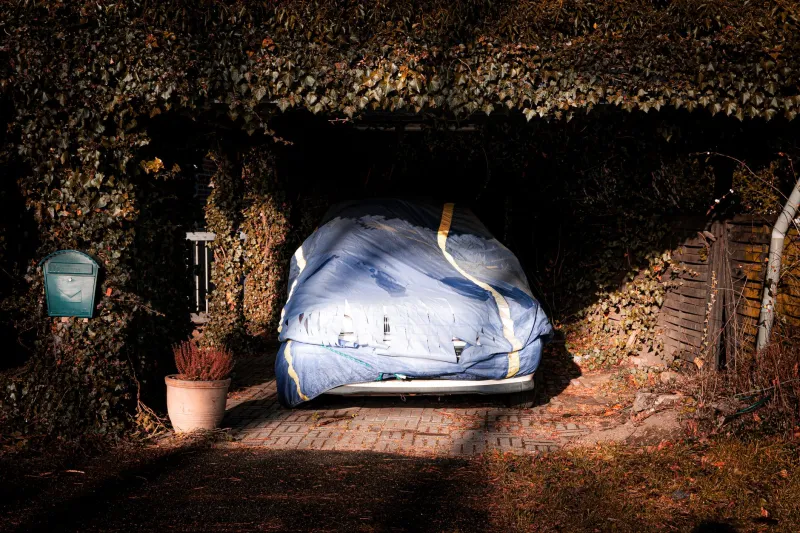
And yet, there it sits in your garage. Waiting.
If that picture makes you feel like you made a bad call dropping a few hundred dollars on a generator, you're not alone. In informal surveys across generator owner communities, the overwhelming majority of respondents admit their machine spends most of its life in storage. Some haven't pulled the cord in over a year. A few confess they're not totally sure it would start if they needed it today.
So here's the real question: Is owning a Coleman PowerMate you barely use actually a smart decision — or just an expensive security blanket?
The answer is more nuanced than you might expect.
Why Generators Sit Idle (It's Not Laziness)
There's a perfectly logical reason your PowerMate doesn't get used much: it's doing exactly what it was designed to do.
Generators are emergency tools. They're in the same category as a fire extinguisher, a spare tire, or a first aid kit. Nobody feels bad that their fire extinguisher hasn't been used in three years. That's the whole point — you buy it hoping you'll never need it, but you're deeply grateful it's there when you do.
The psychological disconnect happens because generators are expensive and visible. They take up garage space. They remind you of their price tag every time you walk past them. A spare tire lives quietly in the trunk, out of sight and out of mind. A generator? That thing practically judges you from the corner.
But here's the thing: the value of a generator isn't measured in runtime hours. It's measured in what it costs you when the power goes out and you don't have one.
The Real Cost of "Just In Case"
Consider what a multi-day power outage actually means in practical terms. A refrigerator full of food spoils quickly — the USDA says most perishables go bad within four hours of losing power. A chest freezer with a year's worth of meat? That's a painful and expensive loss. Add in the cost of a hotel stay if the outage drags on, or the stress of managing medical equipment without backup power, and suddenly that Coleman PowerMate starts looking like a very reasonable insurance policy.
Insurance is the right mental model here. You don't use your homeowner's insurance every year. You might go a decade without filing a claim. But nobody argues that insurance is a waste of money because you didn't use it.
The calculus changes when you factor in what you're protecting. If you live in a region prone to hurricanes, ice storms, or wildfire-related grid outages — and a significant portion of the US does — the probability of a meaningful outage over a five- to ten-year ownership window is actually pretty high. FEMA and utility data consistently show that major outages are becoming more frequent, not less.
How Infrequent Use Should Change Your Maintenance Approach
Here's where the idle-generator reality actually does matter: if your Coleman PowerMate barely runs, you have to maintain it differently than someone who uses theirs regularly.
Fuel is the biggest culprit. Gasoline starts to degrade in as little as 30 days, and ethanol-blended fuel (which is most of what's sold at US gas stations) can absorb moisture and break down even faster. A generator that sits with old fuel in the tank or carburetor is a generator that won't start when you need it most.
A few habits that make a real difference for low-use owners:
- Run it monthly. Even 10 to 15 minutes under a light load keeps the carburetor clean, circulates oil, and confirms everything is working. Think of it as a wellness check, not wasted fuel.
- Use fuel stabilizer religiously. If you're not burning through a tank every few weeks, stabilizer is non-negotiable. Add it every time you fill up.
- Store it properly between uses. A dry, covered space away from temperature extremes goes a long way toward preserving seals, belts, and fuel system components.
- Change the oil on a calendar schedule, not just by hours. Oil degrades over time even when the engine isn't running. Most manufacturers recommend an annual change regardless of runtime for low-use machines.
The irony is that neglecting a rarely-used generator is actually easier than neglecting a frequently-used one. When you run something all the time, problems surface quickly. When it sits for months, small issues quietly become expensive ones.
Should You Have Bought a Smaller (or Bigger) Unit?
This is a fair question to revisit, especially if you've owned your PowerMate for a year or two and have a clearer picture of how you actually use it.
If your primary use case is emergency home backup during outages, a mid-range portable generator is almost certainly the right tool. You don't need a massive unit to keep your refrigerator, a few lights, and phone chargers running. Oversizing costs more upfront and more in fuel when you do run it.
On the flip side, if you've found yourself wishing for more capacity — running out of outlets, tripping the overload protection, or unable to run your sump pump and refrigerator simultaneously — that's useful information for your next purchase decision.
The point isn't to second-guess what you already own. It's to recognize that understanding your actual use pattern is genuinely valuable data. Most people buy generators based on worst-case scenarios they imagine. Real ownership teaches you what you actually need.
Stop Feeling Guilty, Start Feeling Prepared
Here's the reframe that a lot of Coleman PowerMate owners need to hear: your generator sitting in the garage is not a failure. It's a success. It means you haven't faced a situation bad enough to need it.
But "just in case" ownership comes with a responsibility. A generator you never test, never maintain, and never think about until the lights go out is not actually a safety net — it's a false sense of security.
The owners who get real value out of their PowerMate, even with minimal runtime, are the ones who treat it like the emergency tool it is. They run it periodically. They keep fresh fuel in it. They know where the manual is and have extension cords staged and ready.
That's not obsessive. That's just being the kind of prepared person who bought a generator for a reason.
So yes — your Coleman PowerMate can absolutely sit idle 95% of the year and still be worth every dollar you paid for it. You just have to do your part to make sure it's ready for the other 5%.