Coleman PowerMate Resale Reality Check: Which Models Keep Their Worth and Which Ones Crater
Photo: Anselm Schüler, CC BY-SA 4.0, via Wikimedia Commons
If you've spent any time scrolling through Facebook Marketplace, Craigslist, or eBay looking at used generators, you already know the secondhand Coleman PowerMate market is all over the place. One seller's asking $800 for a ten-year-old unit that looks like it spent half its life in a barn. Another guy is practically giving away a machine that's barely been run. Price all over the map, condition varying wildly, and buyers who have no idea what they're actually getting.
So what actually drives resale value in the Coleman PowerMate world? It's not random, even if it sometimes feels that way. There are real patterns here — specific models, build eras, and features that buyers consistently pay a premium for, and others that seem to fall off a cliff value-wise almost immediately. Let's break it down.
The Cast Iron vs. Plastic Frame Divide
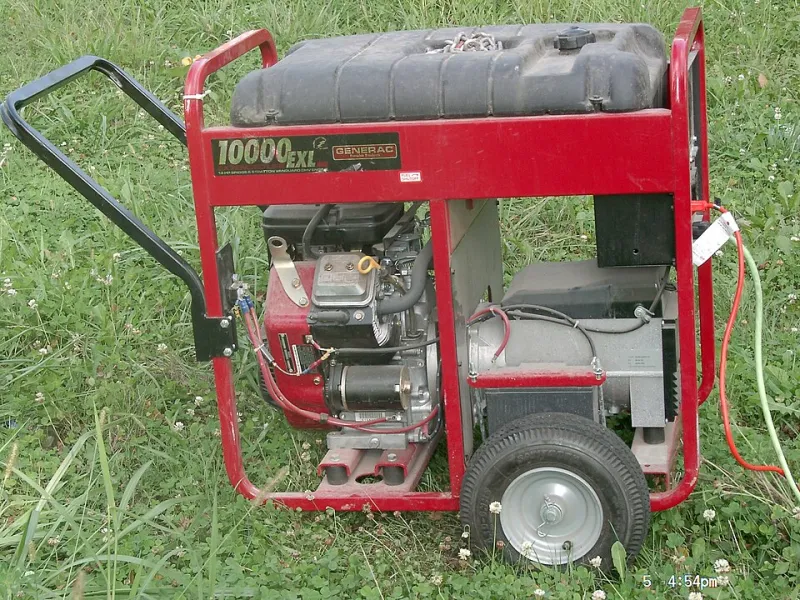
If there's one single factor that shapes resale value more than anything else in the Coleman PowerMate lineup, it's frame and engine construction. Older units built with cast iron engine components and heavier steel frames have developed a genuine following among buyers who've been burned by cheaper alternatives. These machines — many of them manufactured before the mid-2000s transition toward more cost-optimized designs — show up on the used market and move quickly when priced reasonably.
Why? Because buyers who know generators understand that cast iron cylinder construction tends to hold up better under repeated use and extended storage. These older units were built when the PowerMate name was synonymous with serious, contractor-grade equipment. That reputation hasn't gone away, and it directly translates to secondhand demand.
Contrast that with some of the lighter-duty models introduced as the brand moved toward the consumer retail market. Plastic shrouding, lower-grade engine components, and simplified designs brought the entry price down — but they also compressed the resale ceiling. Buyers shopping used aren't usually looking for bargain-bin generators. They want durability, and they'll pay for it.
Which Wattage Classes Hold Value Best
Mid-range output machines — generally in the 5,000 to 8,500 watt range — tend to be the sweet spot for resale. Here's the logic: smaller units under 3,500 watts are cheap enough new that buyers often just buy new rather than deal with the uncertainty of a used machine. At the high end, 10,000+ watt units are expensive to move, harder to store, and attract a narrower buyer pool.
The 6,250 to 7,500 watt class has historically shown the strongest secondhand demand. These machines are capable enough to run a household during an outage, power a job site, or handle serious camping and RV loads — without being so massive that they're impractical for the average buyer. Coleman PowerMate models in this range, particularly those with electric start, routinely hold 50-60% of their original retail value in good condition even after five or more years.
Smaller units in the 1,850 to 3,000 watt range depreciate faster simply because the new-price competition is brutal. When a brand-new entry-level generator costs $300-$400, a used one needs to be priced very attractively to compete — which means sellers in this category often take a significant haircut.
The Electric Start Premium Is Real
Recoil-start-only models consistently sell for less than comparable units with electric start capability, even when everything else is equal. This isn't surprising — buyers shopping used are often older homeowners or people who've had bad experiences with stubborn pull-start machines. Electric start is perceived as a reliability and convenience upgrade, and it commands a real premium on the secondhand market.
If your Coleman PowerMate has both electric start and a functional battery, document that clearly in any listing. Buyers will pay more, and your unit will move faster. If the battery is dead or the electric start has an issue, fix it before listing — or price accordingly, because savvy buyers will discount heavily for anything that requires immediate repair.
Build Years That Buyers Actually Seek Out
The late 1990s through roughly 2004-2005 represent a golden era for Coleman PowerMate resale. Units from this period were built when Powermate Corporation (which had acquired the Coleman generator line) was still emphasizing professional-grade construction. Engines from this era — many using Tecumseh or Briggs & Stratton power plants — have well-documented parts availability and a strong DIY repair community around them.
Buyers who do their homework specifically search for these build years. If you have one of these older units in good running condition, don't undersell it. The market will support a higher ask than you might expect.
Post-2010 models occupy a more complicated space. Some are genuinely solid machines. Others reflect cost-cutting that happened as the brand changed hands and distribution channels shifted toward big-box retail. Condition and maintenance history matter more for this era — a well-maintained newer unit can still command decent money, but the floor on poorly maintained examples is very low.
What Tanks Resale Value Fast
Beyond age and model, a few specific factors will crater your resale price faster than almost anything else:
Visible rust on the frame or fuel tank. Buyers treat surface rust as a warning sign of deeper problems, even when it's purely cosmetic. A quick wire brush and some rust-inhibiting paint before listing can genuinely recover $50-$100 in perceived value.
Missing or incomplete documentation. Original manuals, maintenance records, and even original purchase receipts make buyers more comfortable. Without them, expect lowball offers.
Non-running condition. Listing a generator as "needs work" or "ran when stored" is essentially a signal to every buyer that you couldn't figure out how to fix it. Unless you're pricing it as a parts machine, it's almost always worth spending $50-$100 to get it running cleanly before listing.
Carburetor problems from old fuel. This is the single most common issue with stored generators, and buyers know it. If your machine runs rough, surges, or won't idle properly, address the carburetor before listing. A clean-running machine is worth meaningfully more than one with obvious fuel system issues.
Tips for Positioning Your Unit for Maximum Return
If you're thinking about selling, a few practical moves can make a real difference in what you walk away with.
First, clean the machine thoroughly. Presentation matters more than most sellers realize. A generator that looks cared-for sells faster and for more money than an identical unit covered in grease and grime.
Second, run it under load and document it. A short video of your Coleman PowerMate running a lamp or a small appliance gives buyers confidence and separates your listing from the dozens of "starts and runs" claims with no proof.
Third, know your model's history. If you have a late-90s or early-2000s unit in the sought-after wattage range, say so clearly. Educated buyers will recognize the value and self-select toward your listing.
Finally, price it based on condition, not sentiment. What you paid for it ten years ago is irrelevant to the buyer standing in your driveway. Check current comparable listings in your region and price competitively — a unit that sells in two weeks for $450 beats one that sits for three months before you drop to $400 anyway.
The Coleman PowerMate secondhand market rewards sellers who do their homework and present their machines honestly. The buyers who know what they're looking for are out there — you just have to give them a reason to choose yours.