Storm Chasers and Price Gougers: What Really Happens to Used Coleman PowerMate Prices When Disaster Strikes
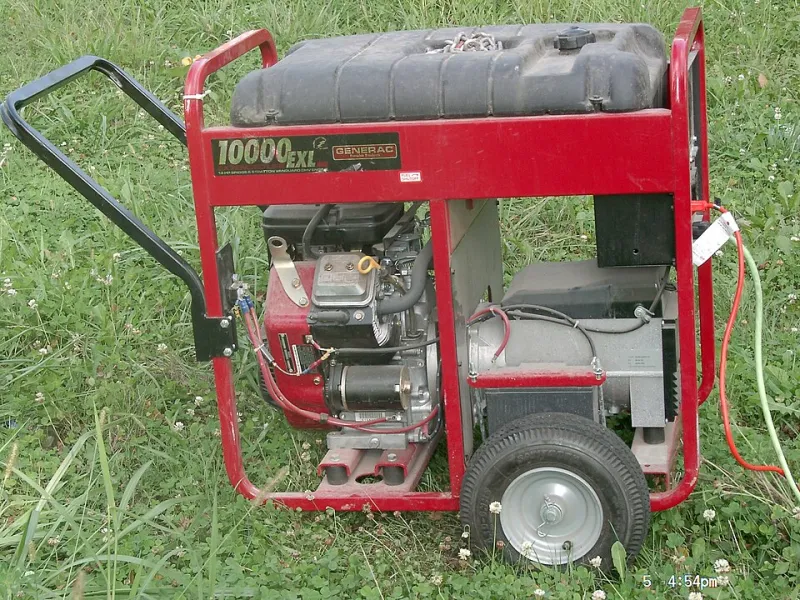
Photo: Unknown, CC BY-SA 3.0, via Wikimedia Commons
If you've ever browsed Facebook Marketplace or Craigslist in the days after a major storm hit your region, you already know the feeling. Listings that would normally show a used Coleman PowerMate for $400 or $500 are suddenly tagged at $1,200 — sometimes more. Sellers who haven't touched their generator in three years suddenly remember it exists the moment the power grid goes down for half the state.
It's not a glitch. It's not a coincidence. It's a predictable economic pattern that plays out after nearly every significant weather event in the US, from Gulf Coast hurricanes to Midwest ice storms to Pacific Northwest windstorms. And if you're in the market for a used Coleman PowerMate — or thinking about selling one — understanding this cycle can save you real money or help you make a smarter decision about timing.
Why Demand Spikes So Hard, So Fast
The math here isn't complicated. Most people don't think about backup power until they desperately need it. When a major storm is bearing down or has just knocked out power to tens of thousands of homes, suddenly everyone in the affected area is searching for the same thing at the same time.
New generators at hardware stores sell out within hours. Big box retailers like Home Depot and Lowe's get cleaned out. People who can't find new units start flooding the used market — and that's when Coleman PowerMate listings start getting flooded with messages from buyers willing to pay almost anything.
Sellers, naturally, respond to that pressure. Some raise prices out of pure opportunism. Others genuinely believe their old generator is worth more now because, well, everyone wants one. Either way, the result is the same: the used market becomes a seller's paradise and a buyer's nightmare almost overnight.
The Numbers Can Get Absurd
It's not unusual to see prices double or even triple in the immediate aftermath of a major regional weather event. A Coleman PowerMate that was listed for $350 the week before a hurricane might reappear at $900 two days after landfall — sometimes by the same seller who pulled the original listing when they saw the news.
On auction platforms like eBay, bidding wars on used portable generators can push prices well past what a comparable new unit would cost at retail. That's a remarkable thing to witness: people paying more for a used, potentially worn machine than they'd pay for a brand-new one if they could just find one in stock.
Some of this is pure panic. Some of it is a calculated bet that they can't wait for shipping on a new unit. And some of it is buyers who simply don't know what a fair price looks like under normal circumstances.
Is It Ever Smart to Buy in the Chaos?
Honestly? Rarely. If you're in the middle of an active power outage and you genuinely need a generator right now — for medical equipment, for keeping food from spoiling, for heating in a dangerous cold snap — then paying a premium might be a necessity, not a choice. Nobody is going to fault you for that.
But if you're looking to add a Coleman PowerMate to your preparedness setup and the timing just happens to coincide with a regional disaster, you're almost certainly better off waiting. Prices on the used market tend to normalize within a few weeks of a storm passing. The urgency fades, the power comes back on, and suddenly those sellers who were holding out for top dollar start accepting lower offers again.
Buying during peak panic also carries extra risk. Sellers under financial stress after a disaster may not be fully disclosing problems with the unit. You might be getting a generator that was run hard during the outage, possibly without proper maintenance, and handed off quickly before the issues become obvious. That's a scenario worth being cautious about.
The Ethics of the Surge — and the Legal Reality
This is where things get genuinely complicated. Price gouging during declared emergencies is illegal in most US states. Many states have specific statutes that kick in once a governor declares a state of emergency, capping how much sellers can raise prices on essential goods — and generators typically qualify as essential goods under those laws.
But enforcement is spotty, especially in private party transactions. Someone selling their personal Coleman PowerMate on Craigslist for three times its normal value is operating in a legal gray zone that most state attorneys general don't have the bandwidth to pursue. It's worth knowing your state's laws if you're on either side of one of these transactions, but practically speaking, the private used market is largely self-regulating.
From a community standpoint, it's worth thinking about. Coleman PowerMate owners tend to be a pretty practical, neighborly bunch — people who believe in being prepared and helping others do the same. Gouging a desperate neighbor after a storm is technically legal in many cases but doesn't exactly fit that spirit.
How to Time Your Purchase for the Best Deal
If you're not in immediate need, the best time to buy a used Coleman PowerMate is during what you might call the "preparedness lull" — the stretch of calm weather between storm seasons when nobody is panicking and sellers are motivated to move equipment that's been sitting in the garage.
Specifically:
- Late fall in non-hurricane regions — after the summer storm season winds down but before winter prep kicks in, used generator listings often sit longer and sellers are more negotiable.
- Early spring — people are cleaning out garages and often just want stuff gone before the weather turns nice again.
- A few weeks after a major regional event — once the immediate crisis passes, prices tend to fall back toward normal, sometimes even dipping below typical market value as people who panic-bought new units decide to sell the used one they also grabbed.
Patience is genuinely your best tool here. Set up alerts on Marketplace and Craigslist for Coleman PowerMate listings in your area and just watch the market for a few weeks before you buy. You'll quickly develop a feel for what "normal" looks like — and you'll recognize a fair deal when it shows up.
What to Check Before Buying Any Used Unit
Regardless of when you buy, a used Coleman PowerMate deserves a real inspection before money changes hands. Ask about the last time the oil was changed, whether the carburetor has been serviced, and how many hours are on the machine. If the seller can't answer those questions, factor that uncertainty into what you're willing to pay.
Better yet, ask to see it run. A generator that fires up cleanly, runs smoothly under a small load, and doesn't smoke or surge is a much safer bet than one the seller hasn't started in two years. Post-disaster purchases are especially risky on this front — if the unit was run hard during an extended outage without proper attention, you might be inheriting someone else's maintenance problem.
The Bottom Line
The used Coleman PowerMate market after a natural disaster is a fascinating, frustrating, and sometimes ethically murky place. Prices spike fast, desperation drives decisions, and the deals you'll find in those first few days are almost never the smart play — unless you truly have no other option.
Buy before the storm season, or buy after the dust settles. Either way, you'll spend less and know more about what you're getting. That's just good preparedness — which is kind of the whole point of owning one of these machines in the first place.