RV Generator Setup Done Right: What Most Campers Get Wrong About Running a Coleman PowerMate on the Road
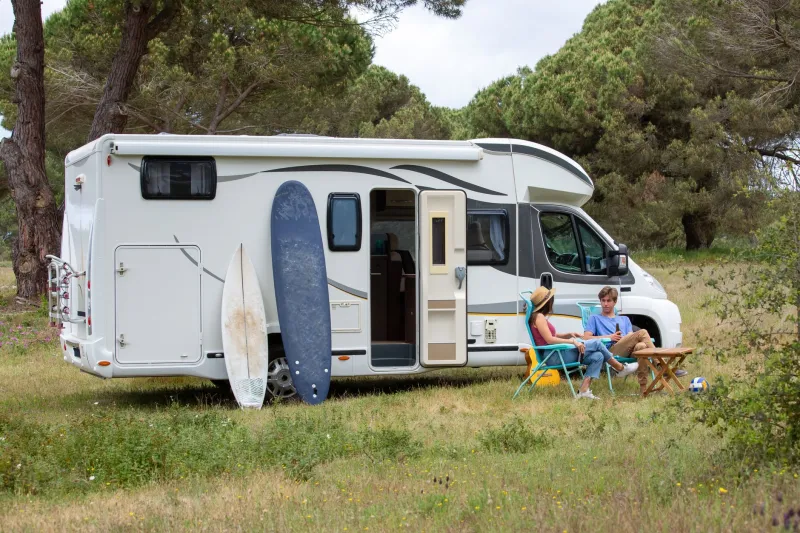
There's a moment most RV owners know all too well. You've pulled into a gorgeous campsite somewhere in the Rockies or along the Gulf Coast, the sun is dipping low, and you reach for the generator to fire up the air conditioning — only to find something's gone sideways. Maybe it won't start. Maybe it's rattling in a way it didn't used to. Maybe it smells a little off.
Chances are, the problem started long before you left the driveway.
Running a Coleman PowerMate in an RV context is genuinely different from using one at home during a power outage. The physics of a moving vehicle, the confined geometry of an RV compartment, and the unpredictable nature of life on the road all conspire to create conditions your generator was never really designed to handle without some forethought. Let's break down where most RV owners go wrong — and what to do instead.
The Vibration Problem Nobody Talks About Enough
When your generator sits on a concrete pad at home, it vibrates in place. That's manageable. When it's mounted in or strapped to a moving RV, it's absorbing road vibration constantly — over highways, gravel roads, speed bumps, and everything in between.
Over time, that sustained vibration does real damage. It loosens fasteners, wears down rubber mounts, cracks fuel lines, and fatigues electrical connections in ways that don't show up immediately but absolutely show up eventually.
The fix starts with isolation. Anti-vibration mounts — essentially thick rubber pads or specialized isolator feet — sit between your Coleman PowerMate and whatever surface it's resting on. These are inexpensive and genuinely effective at absorbing road shock before it reaches the unit's internals. Make sure you're also doing a fastener check every few trips. Bolts that felt snug when you left can back out surprisingly fast under travel conditions.
If you're carrying the generator in a truck bed or trailer, secure it with heavy-duty ratchet straps through the frame — never around fuel lines or the recoil starter housing. A unit that shifts even a few inches at highway speed is a unit that's going to arrive with something bent or broken.
Ventilation in Confined Spaces Is a Life-Safety Issue
This one deserves to be said plainly: carbon monoxide kills people in RVs every year, and generators are a leading cause. The cozy, sealed environment that makes RV living comfortable is exactly what makes CO so dangerous.
A lot of RV owners assume that because their generator is mounted in an exterior compartment, they're automatically safe. That assumption can be wrong. Compartment seals degrade. Exhaust can redirect under the wrong wind conditions. CO is odorless and colorless, and by the time you feel sick, you may already be in serious trouble.
Here's what responsible RV generator setup looks like from a ventilation standpoint:
- Exhaust direction matters. Make sure the exhaust outlet is pointed away from any slide-outs, windows, vents, or openings that could allow fumes to re-enter the living space. This isn't always the default position.
- Install a CO detector inside the RV — ideally one that's rated for the lower, chronic-exposure thresholds rather than just the acute emergency levels. Many residential detectors alarm too late for RV use.
- Check compartment seals regularly. The foam and rubber gaskets around generator compartment doors wear out. Replace them when they get stiff or cracked.
- Never run the generator while the RV is parked in an enclosed space, even with the compartment door open.
Your Coleman PowerMate is a great machine, but it needs fresh air to run safely — and so do you.
Fuel Management on the Move
At home, you can run your generator until it's nearly dry and then refuel from a gas can sitting a few feet away. On the road, fuel management gets more complicated.
First, the slosh factor. Fuel moving around in a partially-filled tank during transit creates air bubbles and can introduce moisture over time. It also means your generator may not start cleanly if it's been jostled around with a low tank. Keeping the tank reasonably full during transport reduces this effect.
Second, think about where your fuel supply is coming from. Many RV owners tap into the vehicle's main fuel tank for their generator — a convenient setup, but one that requires careful attention to the pickup tube height. If the generator can draw the main tank too low, you could find yourself stranded without realizing it. Know your system's limits and set a mental (or physical) low-fuel threshold for the main tank.
Third, ethanol. Gas station fuel across most of the US contains up to 10% ethanol, and Coleman PowerMate engines — like most small engines — are sensitive to it over time. Ethanol attracts moisture and degrades faster than pure gasoline, which is a bigger deal in an RV context because you might not run the generator for weeks or months between trips. Use a quality fuel stabilizer any time the generator will sit for more than 30 days, and consider draining the carburetor if it'll be longer than that.
Weight Distribution and Where You Place the Unit
Generators aren't light. A mid-size Coleman PowerMate can tip the scales anywhere from 100 to 200-plus pounds depending on the model. In an RV, where weight balance directly affects handling, tire wear, and even hitch stress, generator placement isn't just a convenience decision — it's a safety one.
The general rule is to keep heavy items low and as close to the center of the vehicle as possible. A generator stuffed into a rear compartment on the driver's side can create a noticeable lean and shift the tongue weight on a towable RV. Check your RV's weight ratings and, if you're not sure how your setup stacks up, a truck stop or RV dealership with a scale can give you an actual axle-weight reading.
For Class A and Class C motorhomes with built-in generator compartments, this is less of an issue — the manufacturer has already accounted for the load. But for folks who've added an aftermarket generator setup, this is worth a real calculation, not a guess.
A Pre-Trip Generator Checklist Worth Keeping
Before every RV trip, spend five minutes running through these basics:
- Check oil level — RV travel can cause slight oil migration; don't skip this step.
- Inspect fuel lines for cracks or loose connections that may have developed from road vibration.
- Test-run the generator before you leave home, not when you're 300 miles from a parts store.
- Confirm exhaust direction hasn't shifted and CO detector batteries are fresh.
- Tighten mounting hardware and check that straps or bolts haven't backed off since the last trip.
- Top off the fuel tank if you're planning to use the generator heavily at your destination.
None of this is complicated. But it's the kind of thing that separates the RV owners who have smooth, enjoyable trips from the ones swapping generator horror stories at the campground.
The Bottom Line
Your Coleman PowerMate is a capable, reliable machine — but it was designed to generate power, not to bounce down I-70 through Kansas at 70 miles per hour. A little extra attention to how you mount it, ventilate it, fuel it, and position it in your rig goes a long way toward keeping it running trip after trip.
The RV lifestyle is about freedom, and a well-set-up generator is a big part of what makes that freedom possible. Get the setup right once, and it'll pay dividends for years on the road.